What Is Structural Rehabilitation?
Structural rehabilitation is a corrective care system designed to reshape and retrain the spine, posture, and supporting neurology. Unlike traditional therapy, which focuses on functional adaptation (strength, mobility, and movement efficiency), STRUCTURAL REHABILITATION goes beyond to ‘rebuild’ and emphasizes structural adaptation—remodeling spinal curves and postural balance for long-term correction. Drawing from well-established research in biomechanics, physiology, and rehabilitation science, the approach goes beyond traditional therapy approaches to create permanent remodeling of spinal curves and posture.
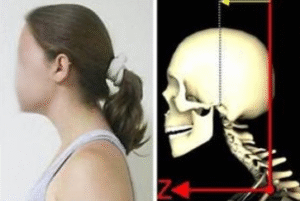
The systematic approach used at The Spine Worx is the most researched corrective chiropractic protocol to date, with dozens of peer-reviewed studies validating its biomechanical models, outcome measures, and long-term corrective results.
Why Structural Rehabilitation Matters
Better outcomes. Spinal misalignment predicts worse pain and disability, while structural correction correlates with long-term improvements.
Posture and health. Abnormal curves affect breathing, circulation, and overall resilience.
Lasting change. By remodeling connective tissue and retraining neurology, results are sustained—not temporary.
 Your posture is not just how you look—it’s how your body heals, performs, and even ages.
How It Works
- Advanced Spinal Assessment
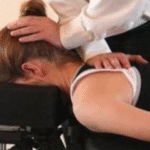
Using AI-driven biomechanical assessment, Digital Radiography & Dynamic Digital Cineradiography, and other cutting edge technologies to assess neurological function. Precision Spinal Adjustment Protocols

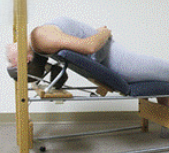
Delivered with corrective vectors to restore normal neurologic processing, tissue load distribution, and long-term function.Multi-Vectored Traction
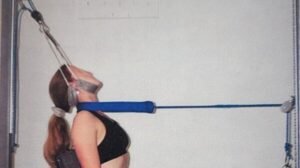
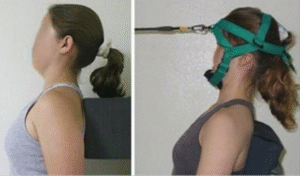
Sustained forces applied in multiple planes remodel connective tissues and allow abnormal curves to adapt toward healthier balance.Neuromuscular Re-Education
Targeted exercises retrain muscles and proprioception so the body learns to hold corrected posture.
Common Uses & Conditions Treated
Chronic spinal pain syndromes (low back, neck, scoliosis, postural strain)
Degenerative disc & joint conditions
Headaches & migraines (cervicogenic and posture-driven)
Nerve-related conditions (tension, irritation from abnormal curves)
Postural imbalances — scoliosis, forward head posture, excessive kyphosis/lordosis
Long-term prevention and wellness care
Expanded Benefits
Autonomic balance — improved regulation of stress vs. recovery systems
Circulation & breathing — better blood flow and pulmonary function
Energy efficiency — reduced strain frees energy for recovery and performance
Whole-body vitality — many patients report better sleep, mood, and resilience